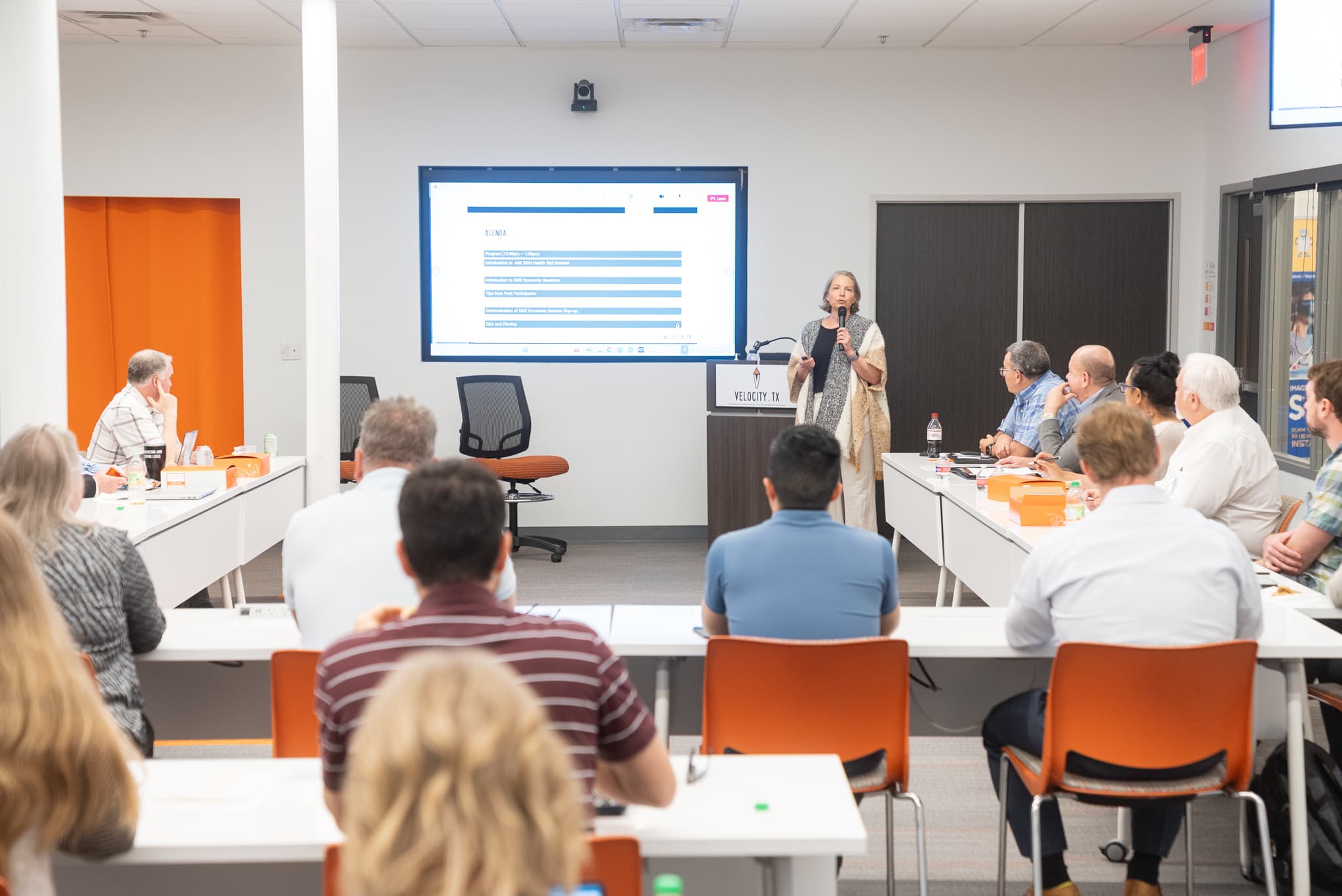
Podium
Share results from a mature, original study, ideally with preliminary data analysis.

Join us April 7, 2027
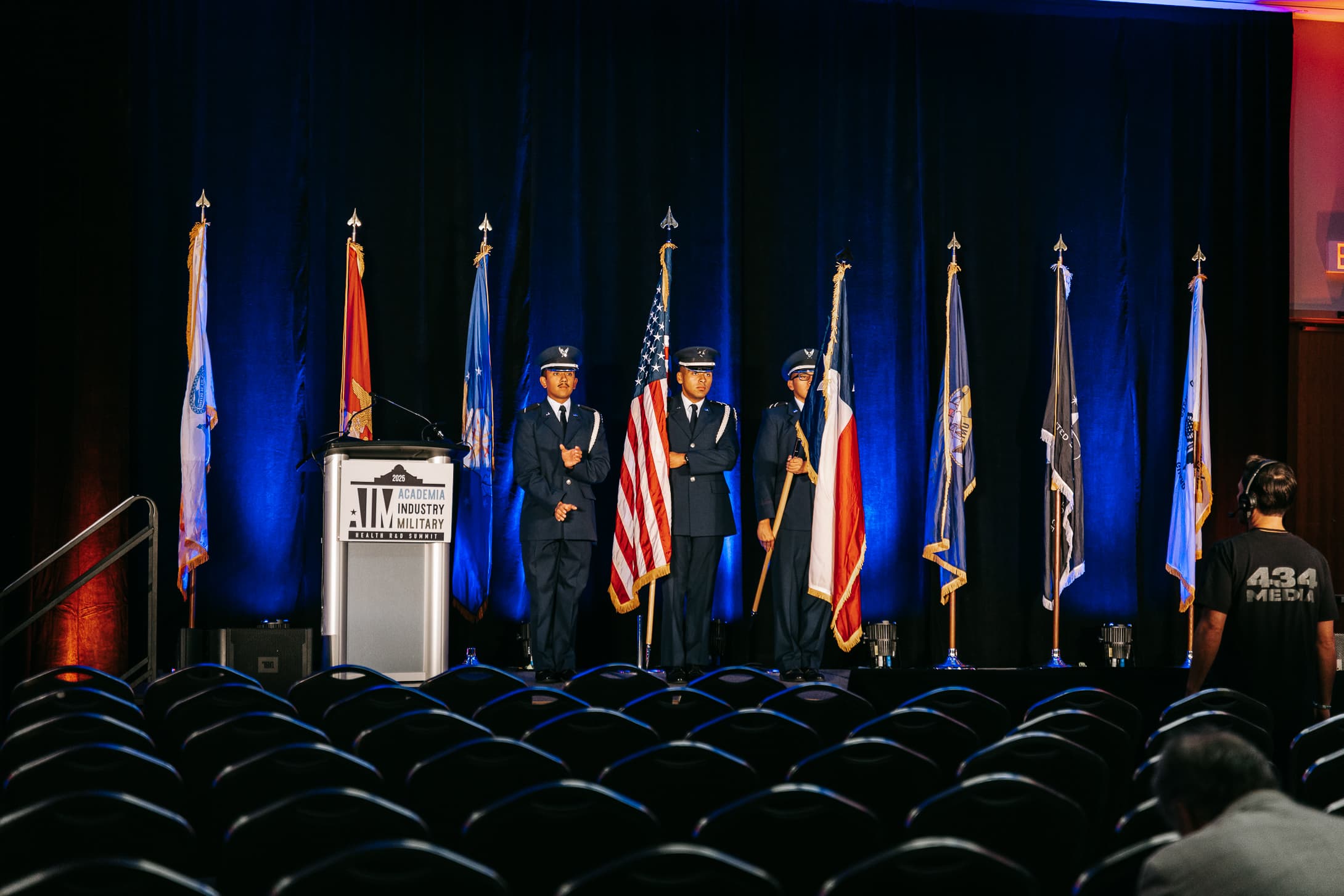
Present your research at the BRDG Health Summit, on the podium or as a poster, in front of the people who can put it to work.
Leave your name and email and we'll let you know the day submissions open.
San Antonio, Texas
Share results from a mature, original study, ideally with preliminary data analysis.
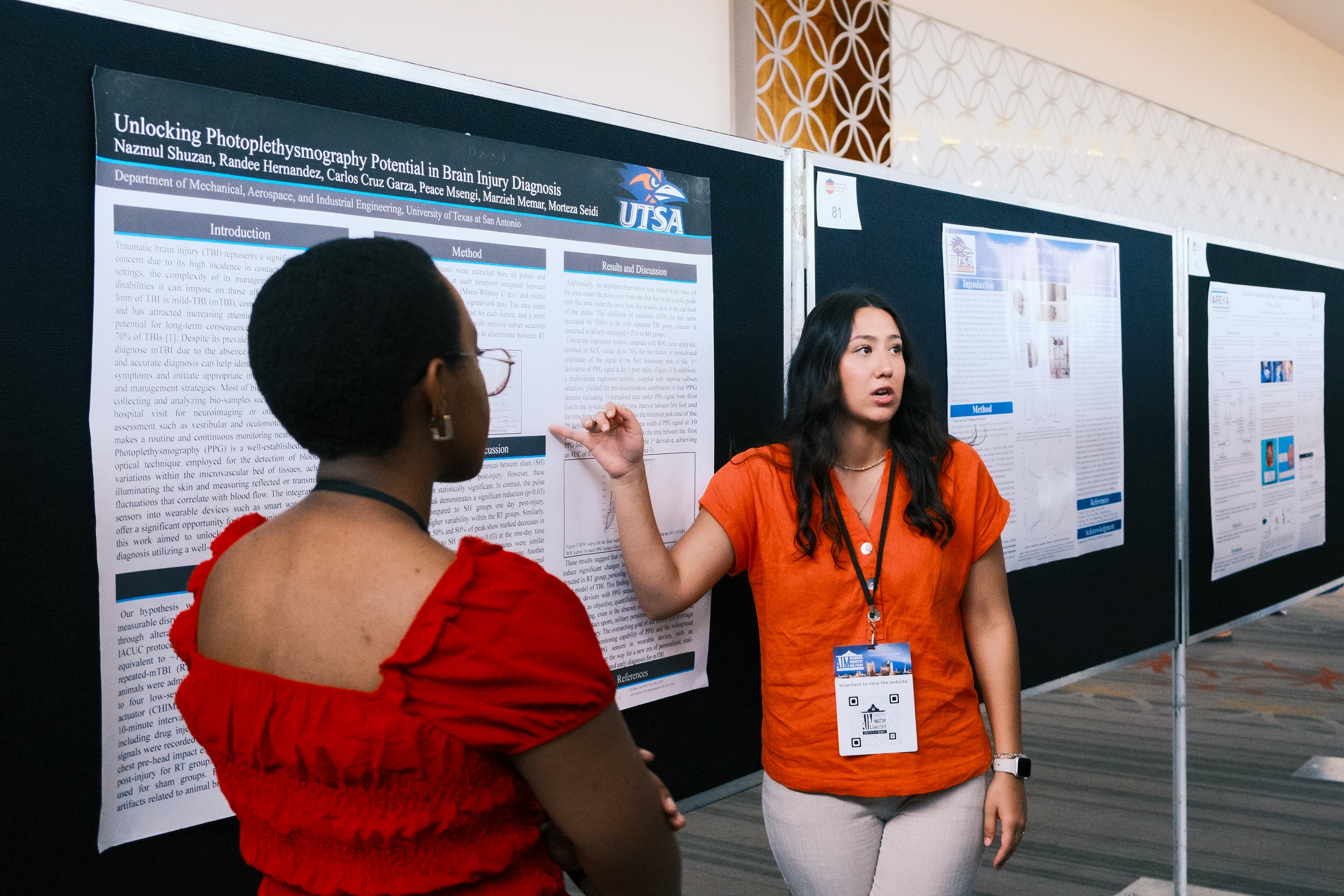
Share a completed project, or one that's still in progress, in a conversation-friendly poster session.
See a past poster sessionYou'll choose every track that fits your work when you submit.
The continuum that defines the mission.
This track follows care from the moment of injury through prehospital response, en route care, and damage control, into definitive treatment and the long arc of recovery that follows. It brings together the providers who live it, medics, corpsmen, paramedics, EMTs, nurses, physicians, and the recovery and rehabilitation teams who carry it forward, across every service and every civilian system, with the innovators building what they carry next.
Mass casualty, natural disaster, and complex emergency demand the same thing: readiness at scale when the system is overwhelmed.
This track connects federal, state, and regional response, emergency management, resilience and continuity operations, fire and EMS, and the disaster medicine community to the capabilities that keep response coordinated and care moving when it matters most. The best time to build resilience is before the disruption, and this track puts the people who plan for the worst day in the same room as the people building what they will need when it comes.
Great technology stalls in the gap between the lab bench and the field.
This track spotlights the testbeds, regulatory pathways, and end-user environments, from the field to the clinic to the community and the home, that move proven capability into the hands of providers faster, and the partnerships that make that path repeatable rather than one-off.
The best trauma and disaster innovation serves the service member, the veteran, and the community alike.
This track explores the crossover between military medicine and civilian care, and the non-dilutive and commercial pathways that let a single breakthrough reach every environment where lives are on the line.
Sustained innovation needs sustained investment and the policy to back it.
This track brings appropriators, program leaders, and mission-driven and private capital into direct conversation with the companies and institutions building the future of trauma and disaster care, and takes up the policy that sustains readiness over the long haul.
The breakthroughs happen where sectors meet.
Collisions is our cross-sector format built for exactly that: government, industry, academia, and the mission-driven and community partners who share the problem, in the same room, making the connections that don't happen anywhere else.
Care at the edge doesn’t end at the point of injury; it continues through every transition from military treatment facility to VA, clinic to home, and active duty to civilian life.
This track highlights research, clinical innovation, and implementation efforts in rehabilitation, traumatic brain injury, polytrauma, chronic pain, behavioral health and PTSD, suicide prevention, and community reintegration, especially approaches that close gaps at those transitions and foster collaboration among VA, DoD, academic, and community partners.
Presenters need to be registered for the Summit. Abstracts submitted without registration will not be accepted.
Register for the SummitSend your abstract in four short steps. You'll get a private link to check on it any time.
A review committee scores every abstract. You'll hear the decision by email.